September 18, 2026
Proper water management forms the backbone of any healthy, long-lasting outdoor space. Without a deliberate strategy for handling excess rainfall and runoff, properties quickly succumb to severe waterlogging, soil erosion, and structural compromise. Professional landscape grading contractors serve as the primary line of defense against these environmental threats. By strategically reshaping the contours of the earth, these specialists establish functional pathways for water flow, ensuring that every drop is safely routed away from vulnerable foundations and vital root systems.
Achieving ideal surface drainage requires a deep understanding of land topography, soil physics, and engineering principles. The overall success of a commercial or residential land project hinges directly on how effectively the ground is contoured during the initial stages of development. When executed correctly, professional site sculpting not only protects structural assets, but also elevates the overall utility and aesthetic appeal of the surrounding environment. Investing in expert land shaping services ensures that outdoor spaces remain resilient, safe, and visually appealing through every season.
Analyzing Ground Elevation and Soil Composition
Comprehensive site analysis serves as the starting point for every successful land-shaping project. Professional landscape grading contractors evaluate the natural slopes, existing moisture patterns, and precise elevation drops across a property before moving a single cubic yard of earth. This initial assessment identifies low-lying zones where standing water tends to collect, as well as areas where rapid runoff strips away valuable topsoil. By mapping out these critical physical characteristics, specialists can custom-design a site contouring plan that works in harmony with the natural topography rather than fighting against it.
Soil texture plays an equally critical role in determining how water behaves on any given property. Heavy clay soils absorb moisture at an extremely slow rate, increasing the risk of standing pools, whereas sandy soils allow rapid infiltration that can lead to underlying erosion if left unchecked. Poor grading can lead to compacted soil, root rot, or sediment buildup, all of which can seriously affect plant health. According to This Old House, each 1,000 square feet of a healthy lawn contains about a million plants, each of which can be impacted by inefficient grading and drainage.
Implementing Strategic Earthmoving and Land Contouring
Once the initial site survey is complete, heavy machinery and precision tools are deployed to physically reshape the terrain. Experienced operators manipulate the land to establish continuous, gentle slopes that naturally guide surface runoff toward designated discharge zones. Heavy equipment, such as excavators, skid steers, and bulldozers, works alongside modern laser-leveling technology to ensure exact slope gradients across wide areas. This careful manipulation of earth establishes a durable framework that prevents water from ever settling near delicate home foundations or commercial structures.
Creating positive pitch away from buildings represents one of the most critical objectives during the physical earthmoving process. A minimum slope of two to three percent is typically required to drive surface water away from concrete foundations, retaining walls, and paved surfaces. By carefully sculpting swales, gentle mounds, and subterranean channels, skilled crews eliminate hazardous flat spots and shallow depressions. This meticulous attention to detail during the rough and final contouring stages guarantees that rainwater moves predictably and efficiently across the property.
Directing Surface Runoff with Swales and Channels
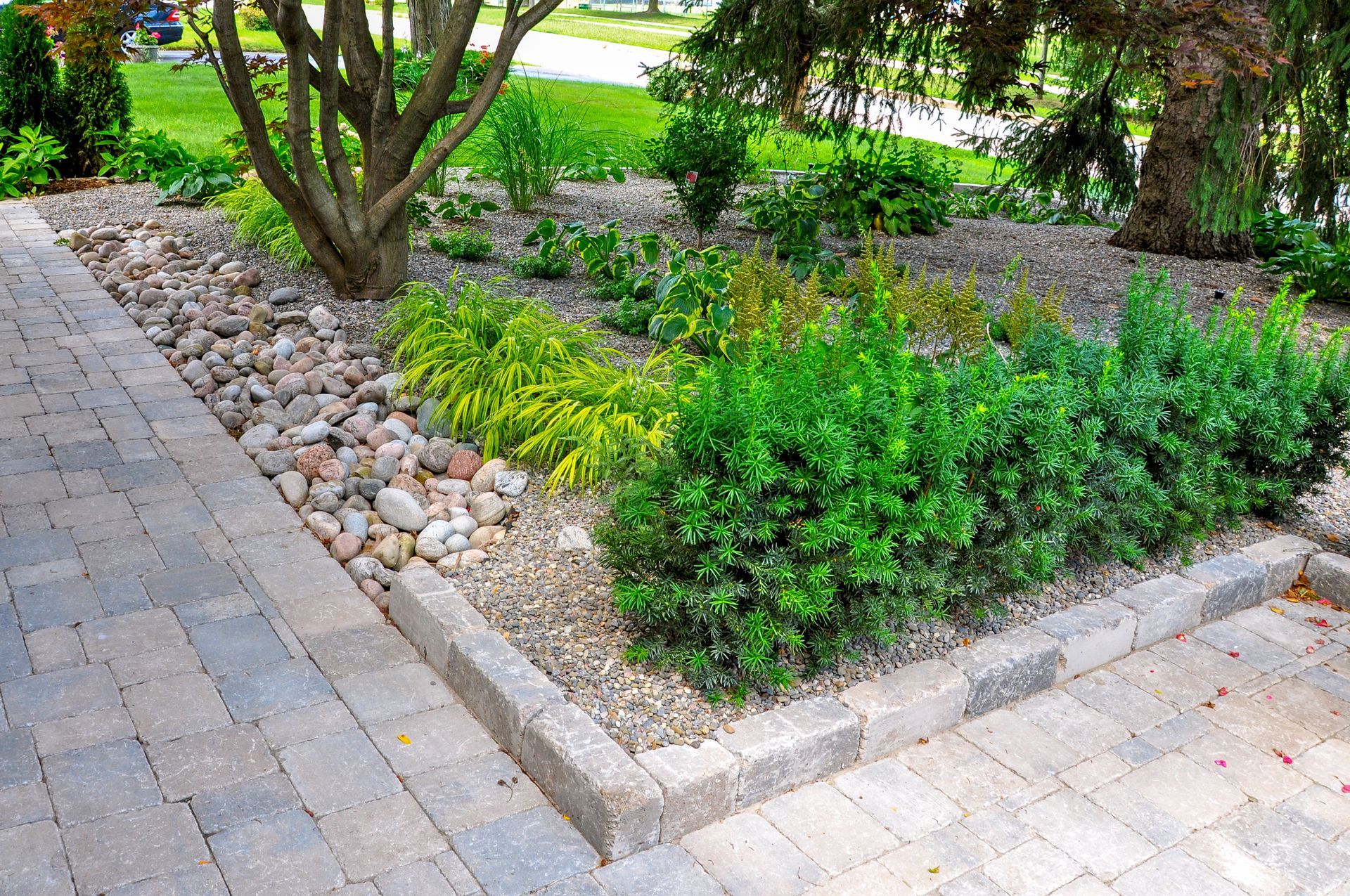
Shallow vegetated channels, commonly known as swales, provide an elegant and natural solution for intercepting heavy surface runoff. These carefully sculpted land depressions are designed to collect water from higher elevations and gently direct it toward safe drainage outlets. By lining swales with specialized turfgrasses, river rock, or native vegetation, landscape grading contractors reduce the velocity of flowing water, which prevents severe ditch erosion while allowing a portion of the runoff to filter naturally back into the local aquifer.
In addition to traditional swales, strategic contour trenches can be integrated into sloped properties to catch fast-moving sheet flow. These horizontal features act as temporary storage zones during torrential downpours, holding water just long enough for it to sink into the soil without damaging downstream plants or structures. Custom channels can also be seamlessly blended into existing landscape beds, serving a dual-purpose as structural drainage pathways and striking visual features. Tailoring these surface channels to the specific volume of local rainfall ensures reliable, long-term performance.
Installing Underground Drainage Infrastructure
While surface sculpting handles the majority of visible runoff, subsurface solutions are frequently necessary to manage persistent groundwater issues. Heavy-duty French drains, subterranean catch basins, and perforated pipe networks work beneath the surface to intercept rising water tables and saturated soils. By placing these underground systems within deeply excavated, gravel-filled trenches, contractors establish a low-resistance path for subsurface water to travel freely away from problem zones. Routine inspection of these subterranean routes ensures that roots and silt never impede the vital discharge of excess ground moisture over time.
Integrating subsurface infrastructure with precise ground slopes creates an exceptionally reliable, multi-layered water management system. Catch basins placed at localized low points immediately capture excess surface water during intense storms, routing it through smooth-wall pipes directly to municipal storm drains or dedicated discharge outlets. Meanwhile, subterranean French drains continuously collect subsurface moisture before it can cause concrete floor slabs to buckle or basements to leak. This comprehensive strategy mitigates both visible and hidden water risks simultaneously while protecting the long-term structural integrity of adjacent hardscapes.
Applying Sustainable Management and Bio-Retention Systems
Modern land management emphasizes eco-friendly approaches that treat stormwater as a valuable local resource rather than a destructive waste product. Incorporating bio-retention cells, such as rain gardens, allows property owners to capture, filter, and absorb heavy runoff directly on-site. These shallow, engineered depressions are backfilled with highly permeable soil mixtures and planted with deep-rooted native species that thrive in alternating wet and dry conditions. As water filters down through these natural zones, biological processes remove urban pollutants and excess nutrients before the clean water recharges the local groundwater table. Selecting native plants adapted to these moisture fluctuations dramatically minimizes long-term maintenance while boosting local habitat viability.
Permeable paving systems and gravel catchments offer additional avenues for sustainable water management in developed areas. By replacing traditional, impermeable concrete or asphalt with specialized porous pavers, contractors allow rainwater to soak straight through driveways, walkways, and patios into an underlying stone storage reservoir. This approach drastically reduces the total volume of surface runoff leaving a property, relieving stress on municipal storm infrastructure and mitigating downstream erosion. Adopting these forward-thinking methods balances structural protection with environmental stewardship while helping properties comply with strict municipal stormwater regulations.
Elevating Property Protection and Long-Term Value
Investing in professional terrain modification yields immediate structural protection and long-term financial security for any property owner. Uncontrolled water accumulation remains one of the leading causes of severe foundation cracking, soil failure, flooded basements, and ruined exterior landscapes. By partnering with qualified landscape grading contractors, property owners transform vulnerable, waterlogged sites into stable, functional, and resilient outdoor living environments. Proactive water management prevents costly emergency repairs down the road, preserves soil fertility, and protects the structural integrity of surrounding buildings for decades to come.
Properly contoured land also dramatically enhances the practical usability and visual appeal of outdoor spaces. Eliminating soggy patches and standing water allows turfgrass, ornamental shrubs, and mature trees to develop robust, healthy root systems without the threat of rot. Paved surfaces, retaining walls, and outdoor living areas remain level and structurally sound when the underlying soil stays dry and stable. To ensure your property receives the highest standard of structural defense, expert site evaluation, and custom water management, reach out to the
landscape grading contractors at Stanley's Simply Green today for a consultation.